












Nationwide · Thailand
Find your Muay Thai camp in Thailand
Camp joiners25,338gym enrollments

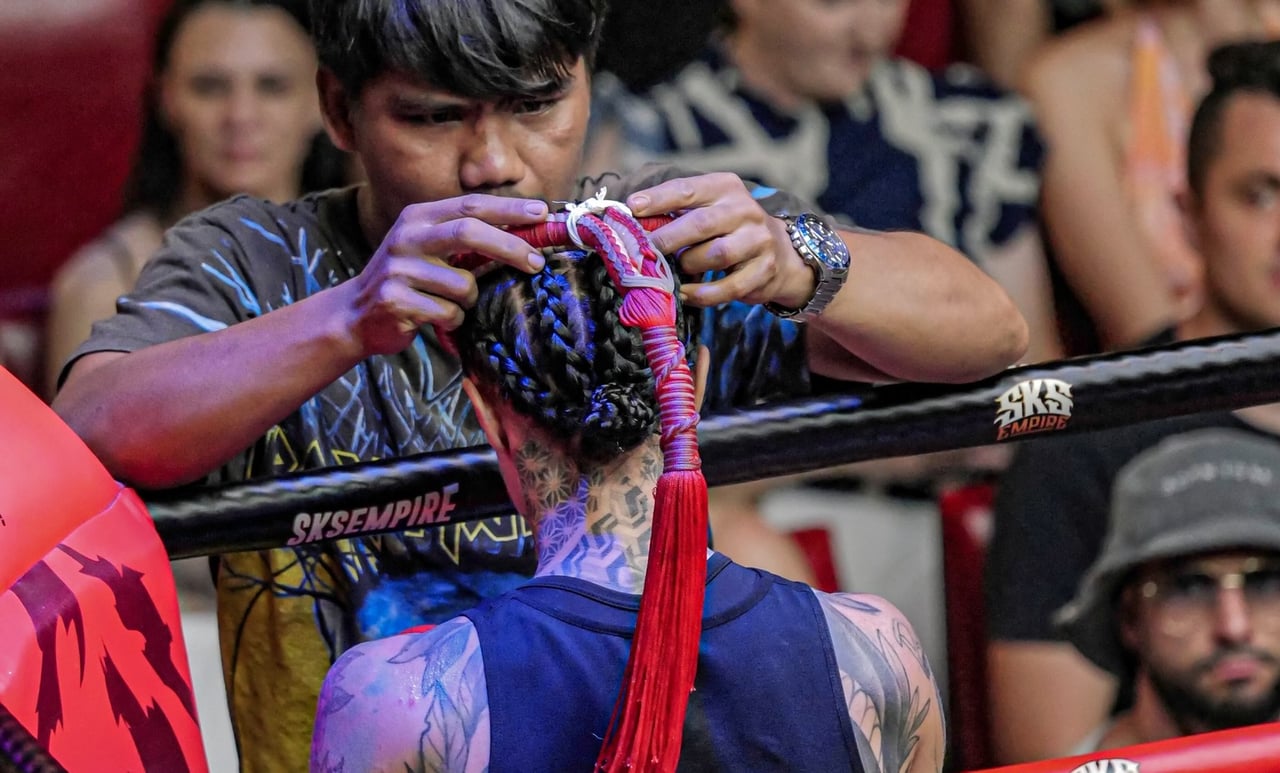


Camps
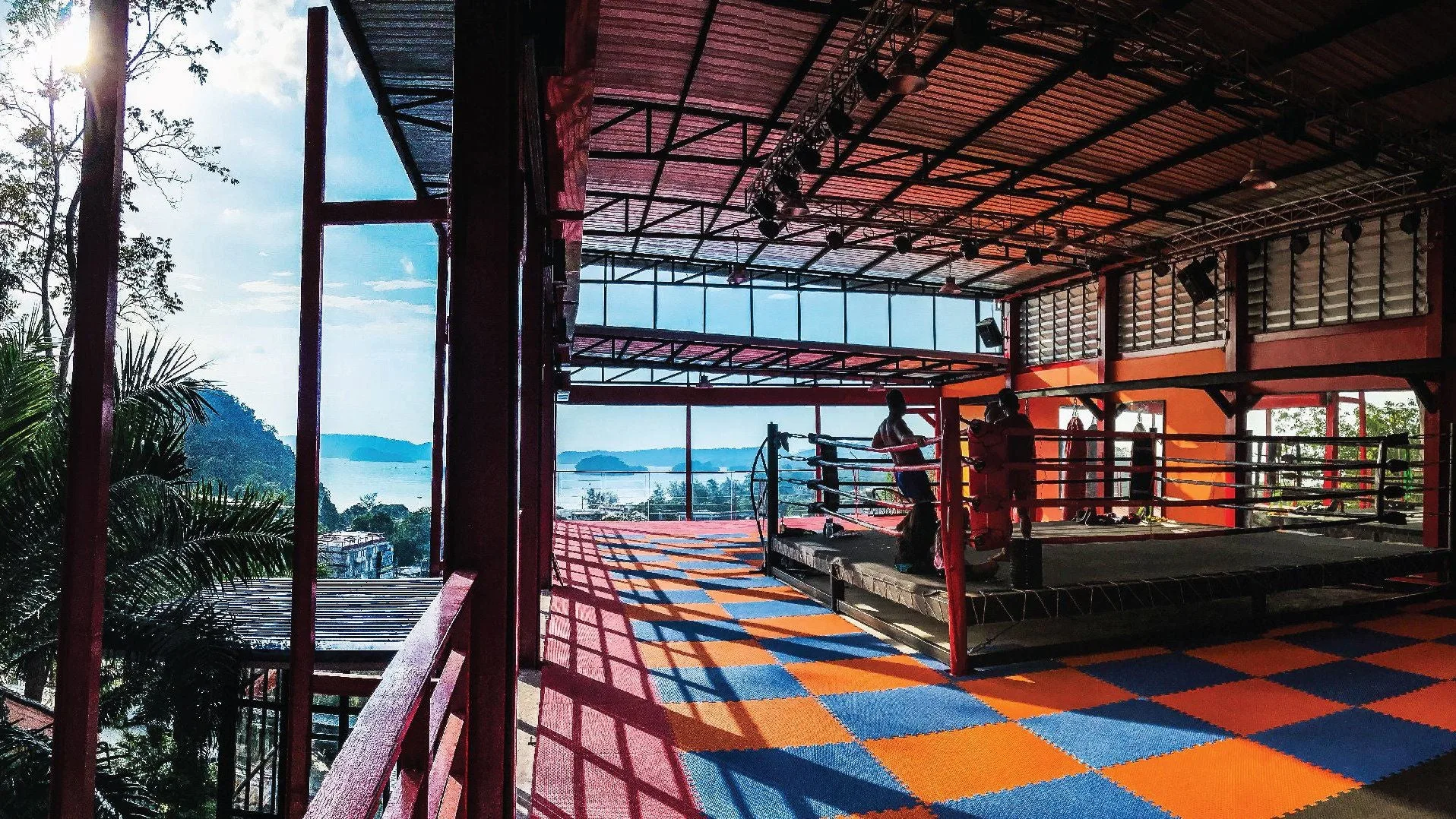
Flagship Muay Thai camps
Beach pads, city gyms, and professional fight camps across Thailand






Planner
Plan your Thailand Muay Thai camp
Two tools that get you from idea to booked training. Path, gyms, and spend in one place.
Level
Location
Gym
 Phuket Muay Thai
Budget & trip length
Next
Book your stay
Fighters
THE FIGHTERS BEHIND THE SCENE
LIVE PROFILES & RANKINGS FROM THAILAND’S MUAY THAI SCENE


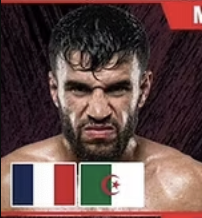
















Ranked now
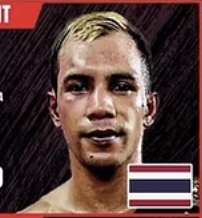
Fighter rankings
Most active fighters · all nationalities







Guides
Arrive camp-ready
Visa, flights, gear, stays, and budget. Everything before you land.
Can beginners do a Muay Thai camp in Thailand with no experience?
Yes. Most Muay Thai gyms in Thailand welcome beginners and holiday trainers, not only fighters. Coaches scale pad work, and you do not need prior classes before you fly. Start with the first Muay Thai camp in Thailand guide.
How do I plan a Muay Thai camp in Thailand: gym, visa, or flights first?
Lock camp dates and stay length first. That drives your Thailand visa, then flights, a room near the gym, and the weekly or monthly camp rate. Shortlist camps in the gym directory and save them in your camp plan.
Do I have to fight at a Muay Thai camp, or can I just train?
Training only is normal. Plenty of travelers book a Muay Thai holiday or fitness camp with no fight required. If you want a bout later, coaches usually want 4-8 weeks to see if you are ready.
How much does a Muay Thai camp in Thailand cost?
A month of training, stay, and food often lands around $1,000 to $3,000 USD outside of flights, with Phuket running higher than Chiang Mai or Pattaya. Gym fees, room type, and how you eat drive most of the spread. Run the Muay Thai camp budget calculator for your stay length.
Where is the best place to train Muay Thai in Thailand: Phuket, Bangkok, or Chiang Mai?
Phuket is the main beach-camp hub with large international gyms. Bangkok suits stadiums and traditional city gyms. Chiang Mai is usually cheaper and cooler for a longer first camp. Pattaya and Koh Samui are other common bases. Browse all destinations.
How long should a Muay Thai training camp in Thailand be?
Two to four weeks is the usual first camp: week one is heat, jet lag, and sore shins; weeks two and three are when technique sticks. A 1-week trip works as a taster. Plan 4-8 weeks if you want fight-camp intensity or a debut.
muaythai.time
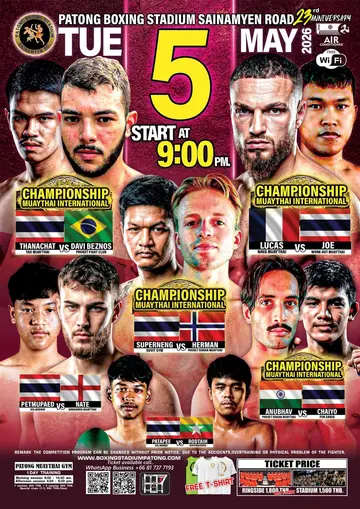
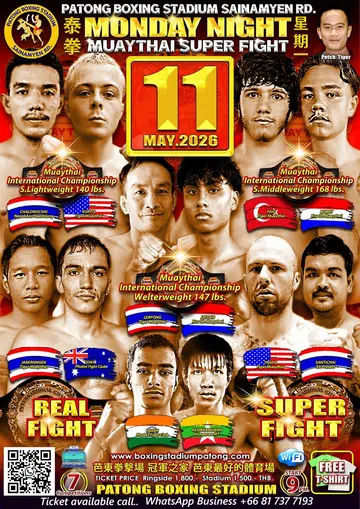
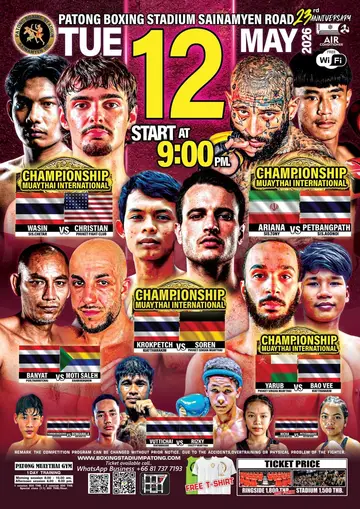
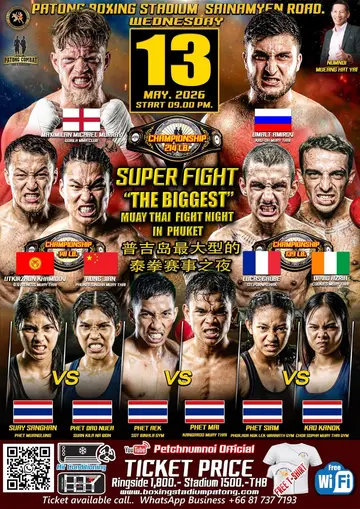
Thailand · fight nights
Before it hits the site
@muaythai.time
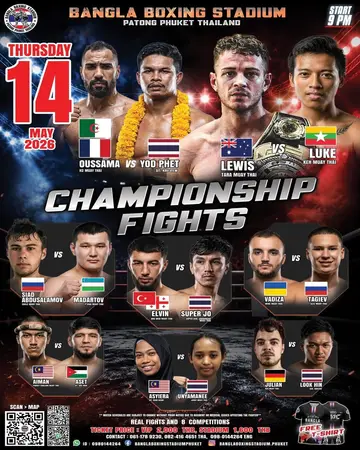
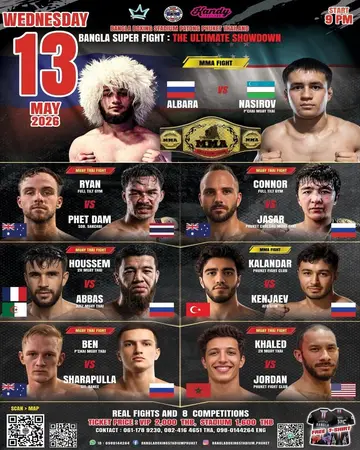
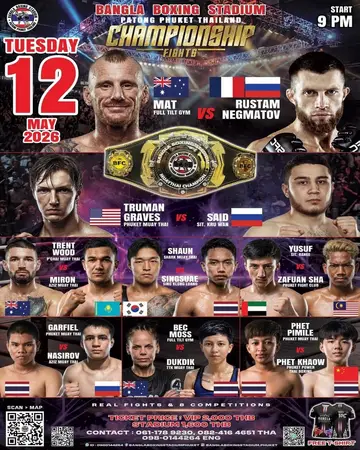
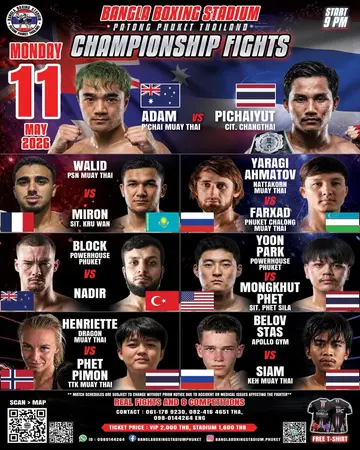
Don't miss the next card drop
- Card announcements before they sell out
- Gym clips and venue highlights from Thailand
- Updates the moment we add them to the directory
Free for camp travelers
Everything you need to build your Thailand camp.
Camp planning tools
Shortlist gyms, sketch a budget, and follow a first-camp path without paywalls.
Guides that stay useful
Visa timing, stays near camp, gear, and arrival tips written for travelers who train.
Fighter & gym data
Profiles, records, and activity from real Thailand bouts - not guesswork.
Fight nights & results
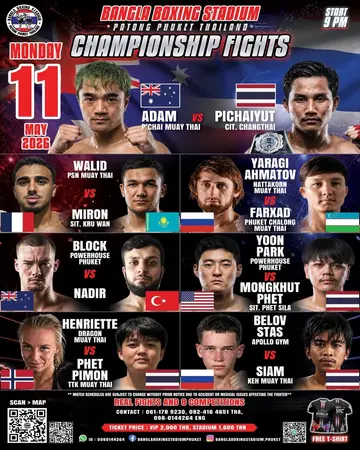
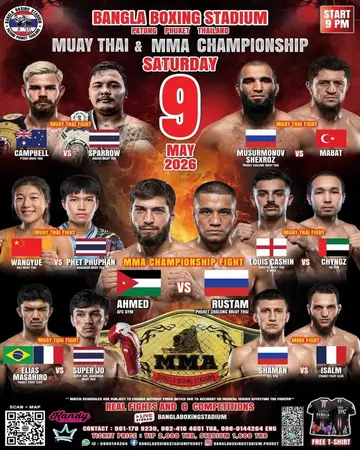
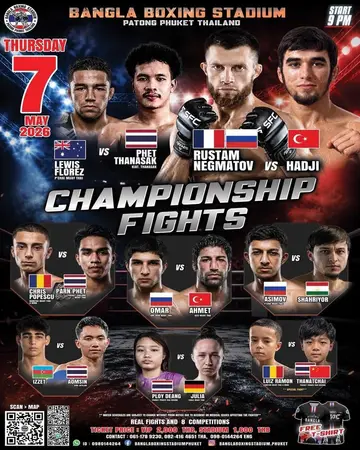
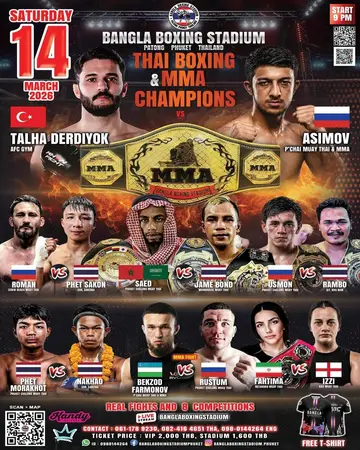
Upcoming cards, past results, and stadium schedules you can actually plan around.
FAQ
Before you fly
Visa, season, packing, and insurance for a Thailand Muay Thai camp
What visa do I need for Muay Thai training in Thailand?
Many passports get 30-60 days visa-exempt, which covers a short camp. A tourist visa (TR) is the common path for 4-8 weeks. For 90+ days, look at the Destination Thailand Visa (DTV). Read Thailand visa basics and DTV visa gyms. This is planning info, not legal advice.
When is the best time of year to train Muay Thai in Thailand?
Camps run year-round. November to February is cooler and busier, so rooms and popular Phuket gyms fill early. March to May is hotter; June to October is wetter and often cheaper. Book stay near camp so rain or heat does not wreck the commute.
Is Muay Thai in Thailand good for women and solo travelers?
Yes. International camps in Phuket, Bangkok, and Chiang Mai train women and solo visitors every week. Check beginner classes, changing rooms, and recent reviews before you commit. Community-style retreats are a calmer first option: see recommended gyms.
What should I pack for a Muay Thai camp in Thailand?
Bring a fitted mouthguard from home. Gloves, shorts, hand wraps, and shin guards are cheaper in Thailand at Fairtex, Twins, and similar shops. See the equipment starter pack and first time in Thailand checklists.
Do I need travel insurance that covers Muay Thai training?
Yes, and standard holiday policies often exclude martial arts and sparring. Get contact-sport cover before you fly. The first-time camp guide covers insurance, eSIM, and day-one gym rules.
Should I book an all-inclusive Muay Thai retreat or a gym membership?
A retreat packages training, stay, and often meals: simpler for a 1-2 week Muay Thai holiday. An open gym membership plus a room nearby is usually cheaper and more flexible for a month. Compare both in Muay Thai retreats and stay near camp.